The same symptom can have more than one cause. A flickering light might involve a fixture, a control, a connection or the circuit supplying it. An outlet that stops working may be part of a wider issue. Replacing the most visible part without understanding the rest of the circuit can leave the original problem unresolved.
A useful repair visit starts with your observations and a review of the affected equipment. Tell us which rooms are involved, whether the issue is constant or intermittent, and what changed before it began. We use that information to discuss the inspection and troubleshooting needed for your property.
NexGen is family owned, with more than 20 years of electrical and generator industry experience. From a single device to a repair list across several rooms, our approach is to explain the findings and the work being proposed in clear language.
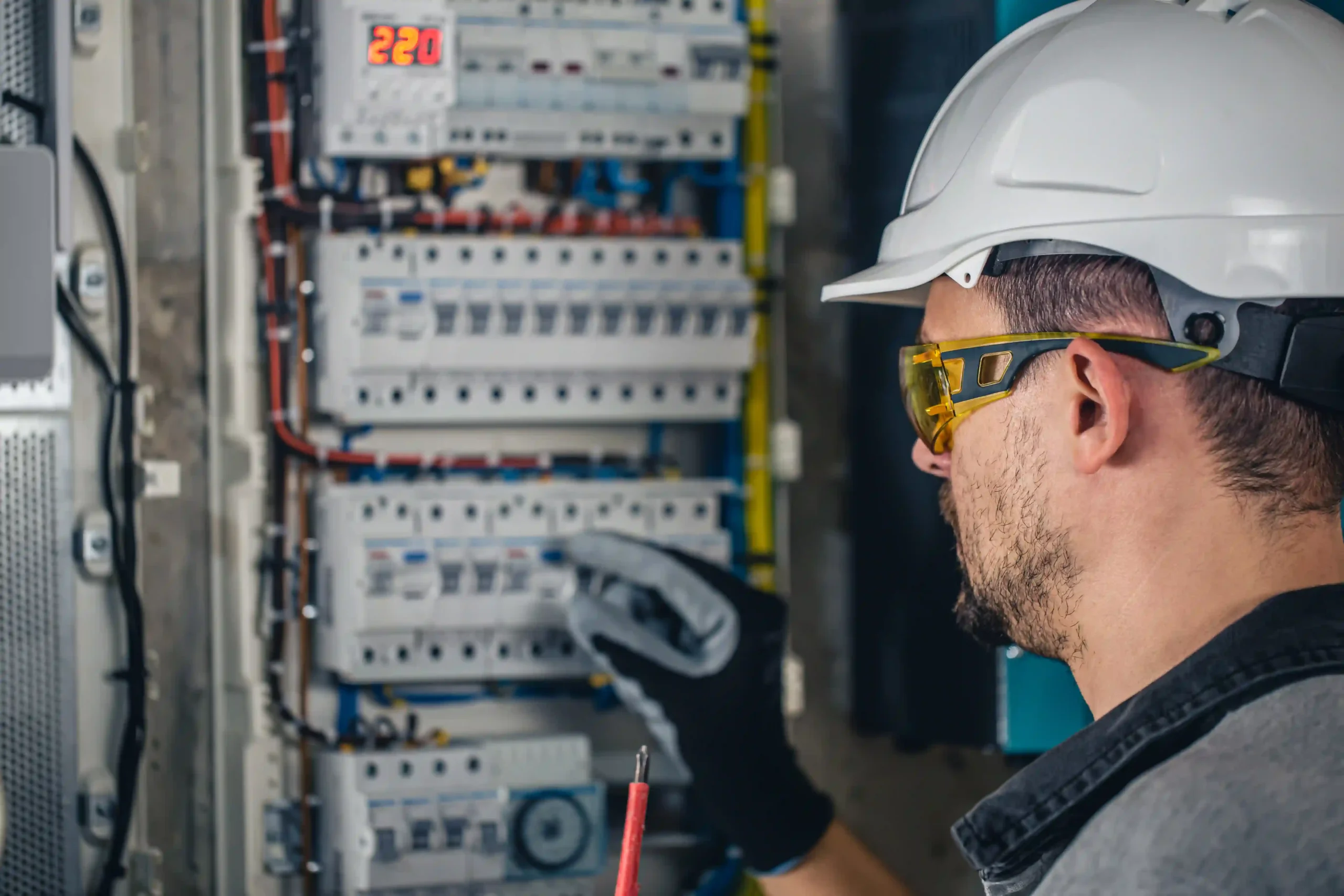
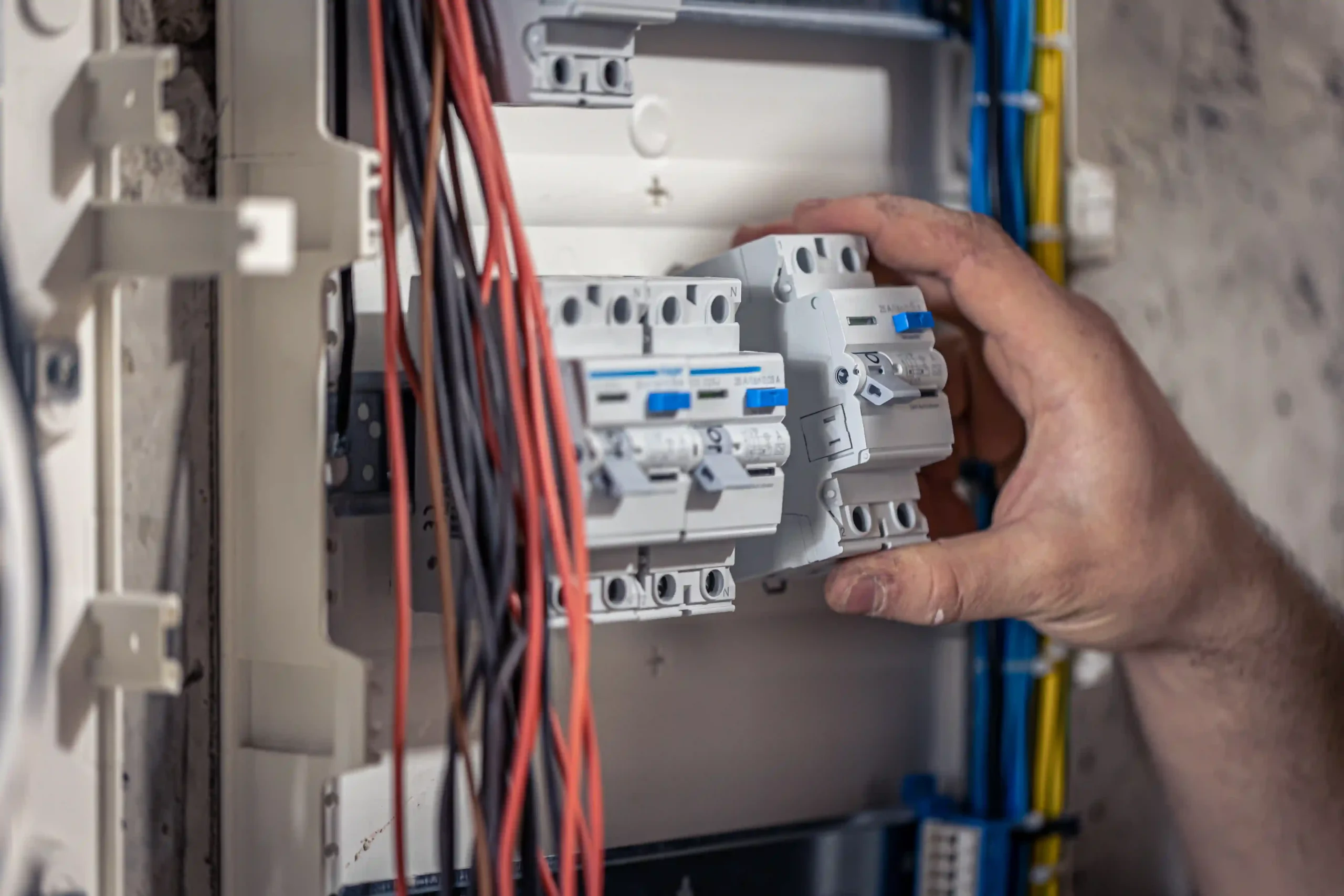
Recurring interruptions, flickering lights and devices that work only some of the time can be frustrating to describe. Note the location and circumstances without opening electrical equipment. A focused assessment can help separate a device problem from wiring, circuit or supply concerns and identify the repair that should come next.
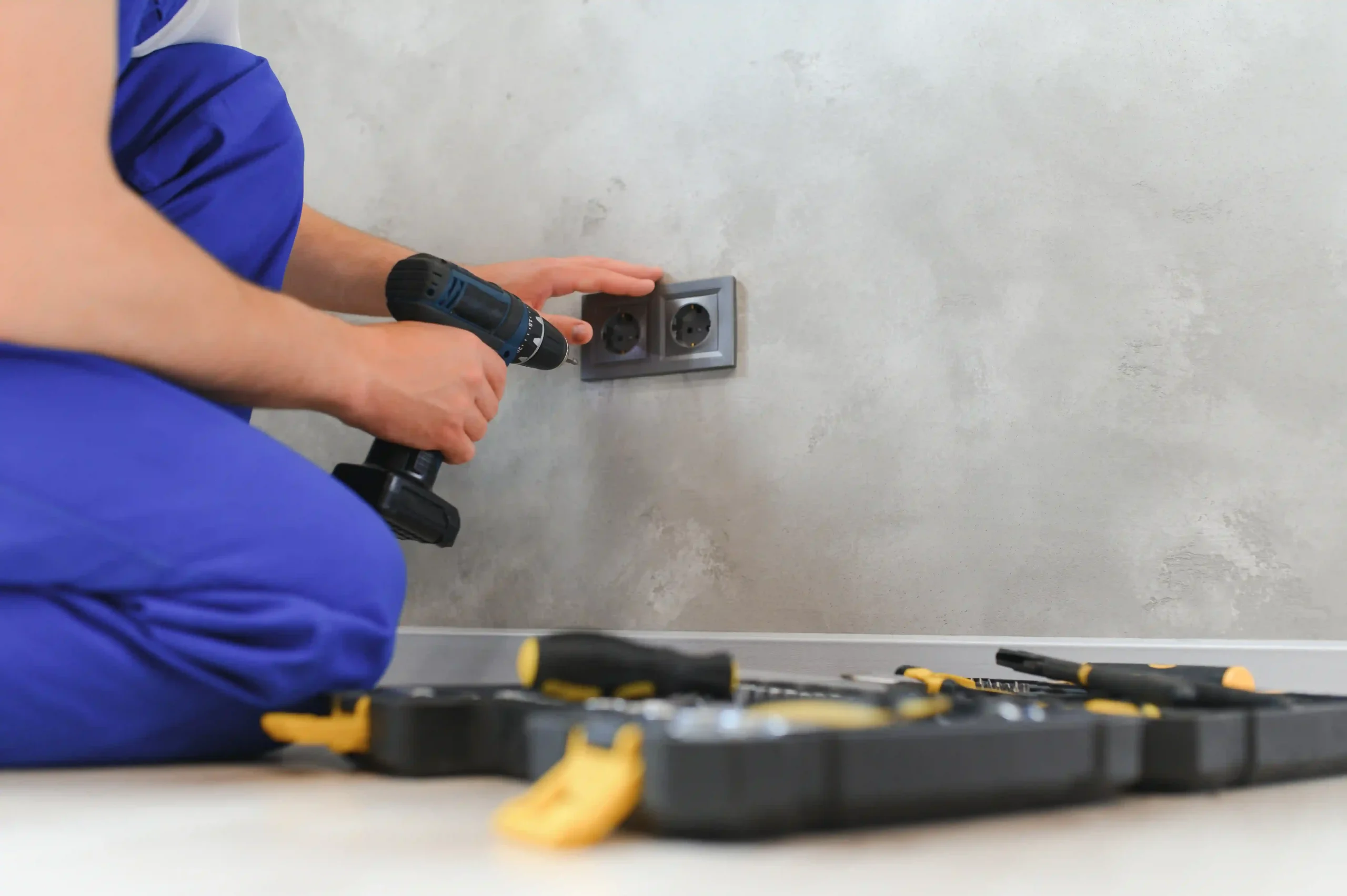
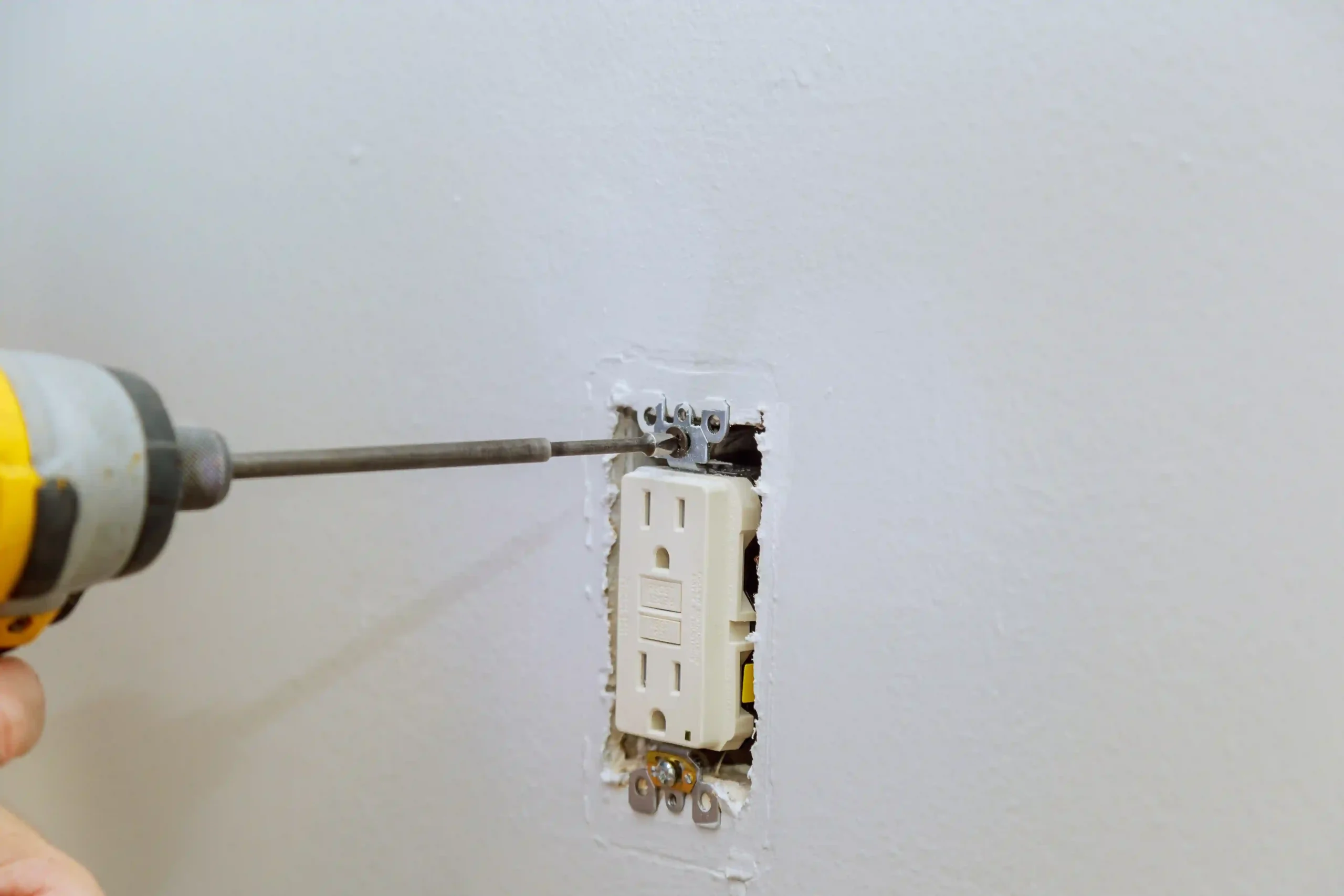
Outlets should suit their location and the equipment they serve. Loose connections, damaged covers, discoloration or a plug that no longer fits securely are reasons to request a review. We discuss replacement needs, device condition and any related electrical work rather than assuming every outlet needs the same solution.
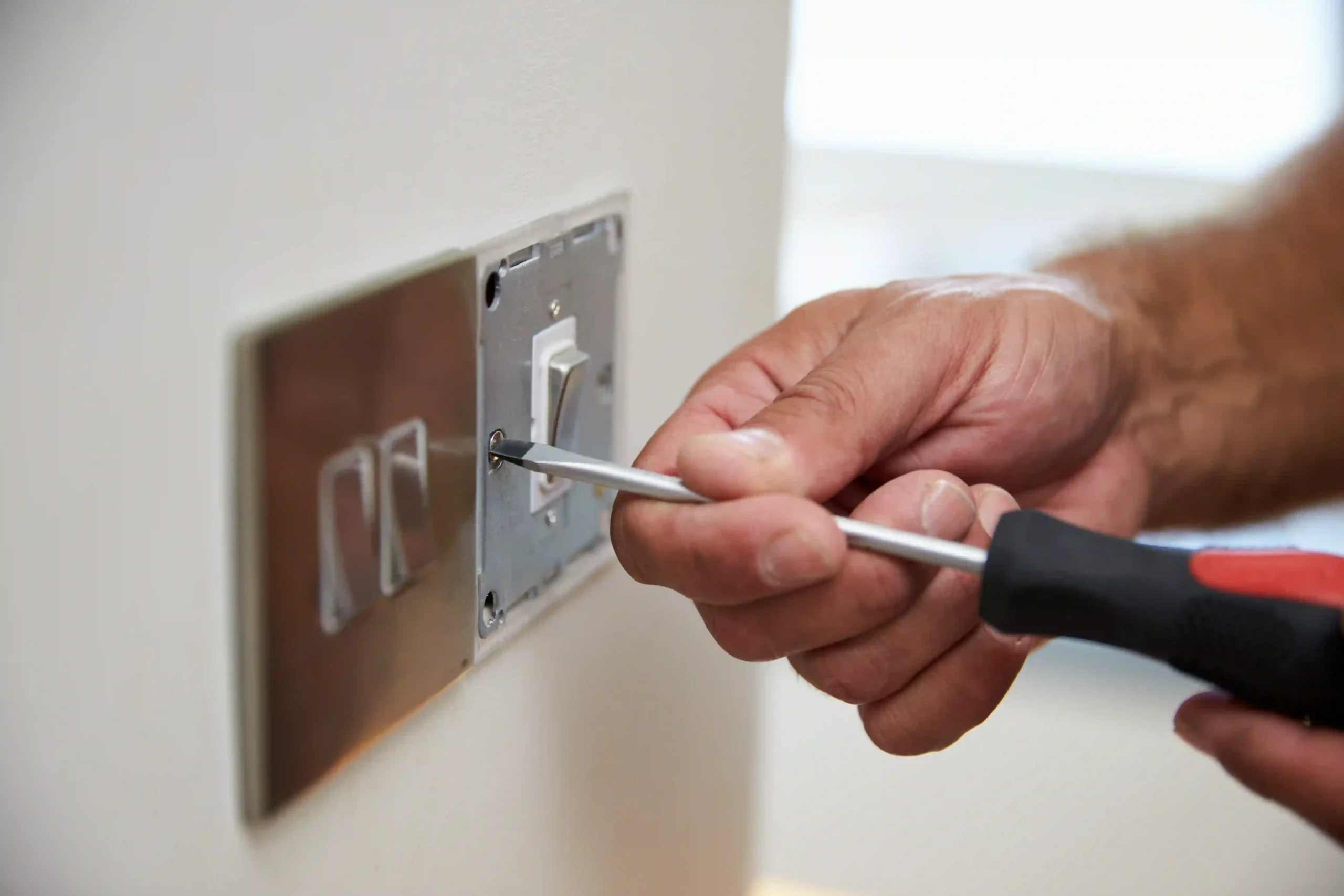
A worn switch or incompatible lighting control can make a room inconvenient to use. Tell us whether you want to restore reliable operation or change how the lights are controlled. Fixture and lamp information helps determine appropriate replacement controls, especially when an existing room has been converted to LED lighting.
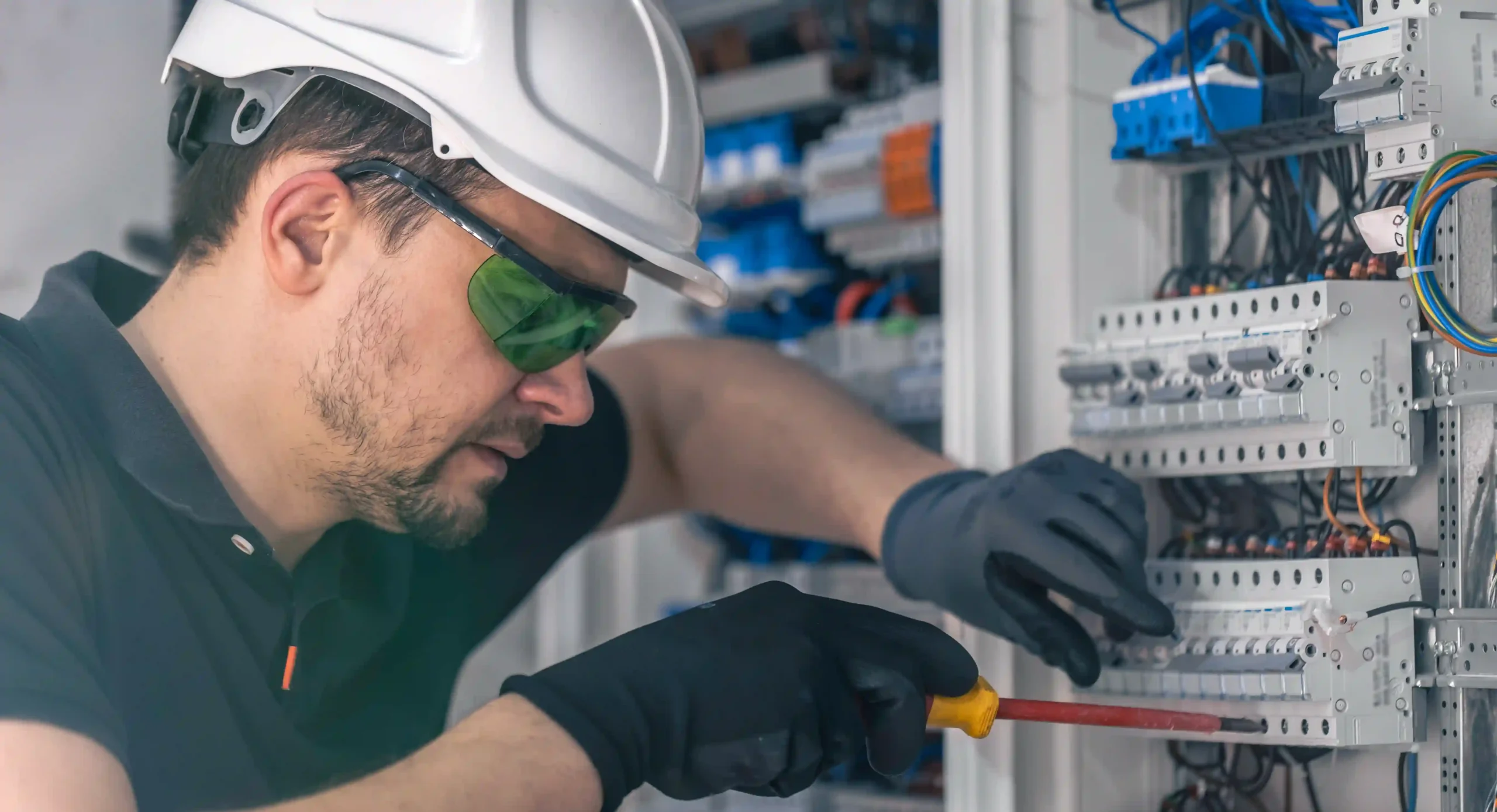
A breaker that trips repeatedly or lights that dim unexpectedly should not become part of your normal routine. Record the circumstances and request an assessment instead of repeatedly resetting the protection and hoping the issue goes away.
A warm or discolored wall plate, burning smell, crackling or buzzing can indicate a problem. Stop using the affected device and seek professional help. Active smoke, fire or immediate danger calls for emergency services.
Cracked covers, loose switches and receptacles that do not hold plugs securely deserve attention. Mention any shock or tingling sensation when reporting the problem. Avoid touching damaged components or exposed wiring.
The scope depends on the cause of the problem, the condition of the existing equipment and how readily the affected wiring can be accessed. A device replacement and a fault hidden within a circuit involve different work. Older alterations, damaged components and issues affecting several rooms can also change the investigation required.
For your request, include the property address or ZIP code, affected rooms, when the symptoms began and whether particular equipment seems related. A photo taken from a normal, accessible position can help describe a fixture or visible damage. Leave covers and panel components in place, and do not recreate a fault for a photograph.
Ask what the proposed repair includes and whether anything requires a separate visit, additional material or follow-up assessment. If you are also planning a renovation, panel upgrade or new equipment, mention it before the final scope is agreed.
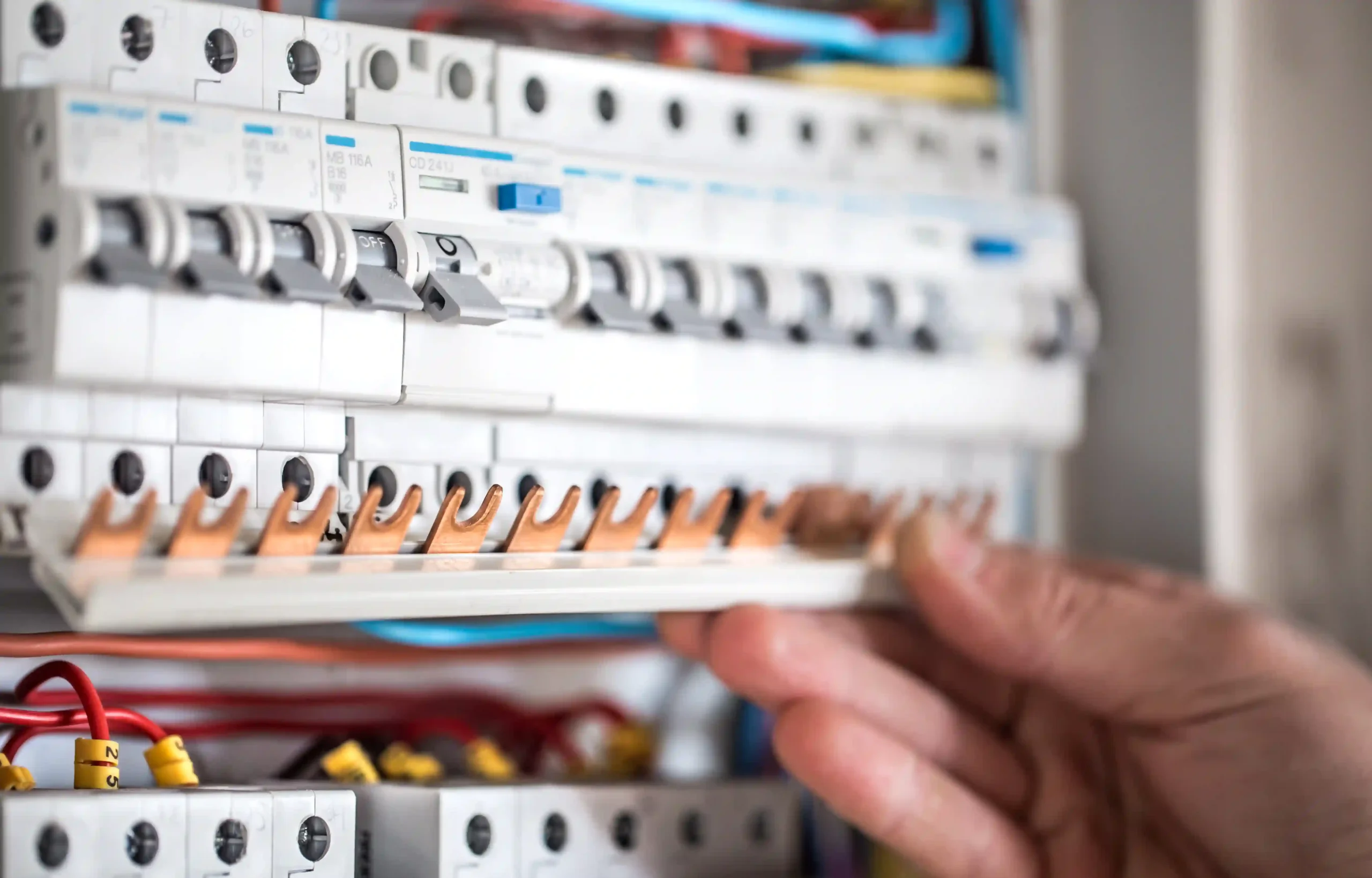
Share the affected location, symptoms and any recent renovation or equipment change. Include your contact information and property ZIP code so we can discuss the request.
The cause and condition of the equipment guide the proposed repair. Discuss what needs attention, what is included and any questions before arranging the work.
Confirm access to the work area and any other items on your list. Ask about the completed work and any recommended follow-up relevant to the issue.